Terrorism, Religious Persecution, and the Money That Funds Trafficking: Inside Our AU Panel
July 30, 2026 · World Day Against Trafficking in Persons
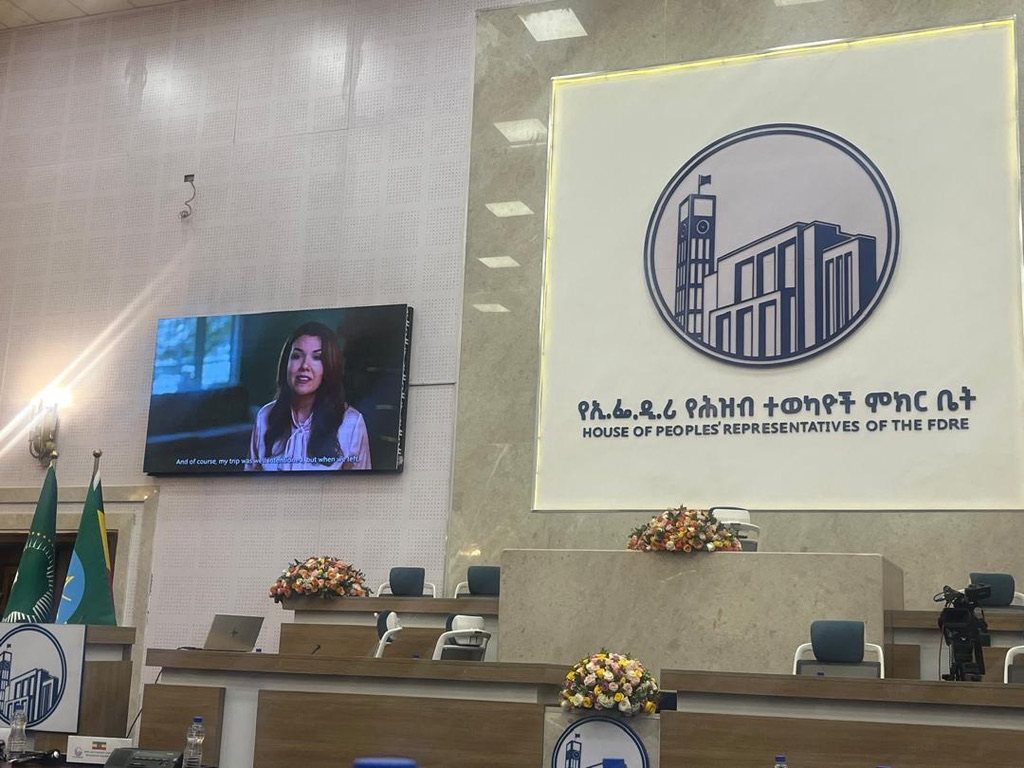
Today is World Day Against Trafficking in Persons, and this month we brought together global leaders at the African Union for a panel during the Parliamentary Intelligence-Security Forum to confront one of the most under-addressed drivers of trafficking: the intersection of terrorism, religious persecution, and exploitation.
Terrorism and the Erosion of Religious Freedom
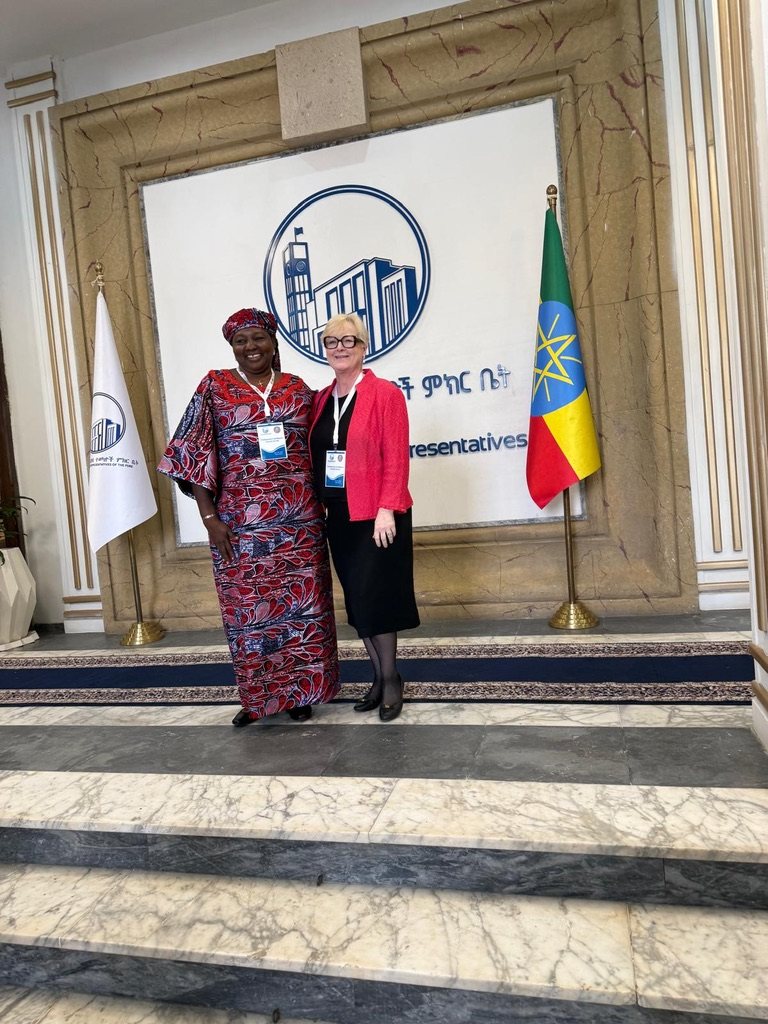
Dr. Gloria Puldu, Executive Director of the LEAH Foundation, spoke powerfully on how terrorism and the erosion of religious freedom fuel trafficking across Africa — and Nigeria in particular. She shared the story of Leah Sharibu, abducted by Boko Haram/ISWAP militants from her school in Dapchi, Nigeria in 2018. Unlike her classmates, Leah was never released and has been held for years because she refused to renounce her Christian faith.
The Trafficking We Fund
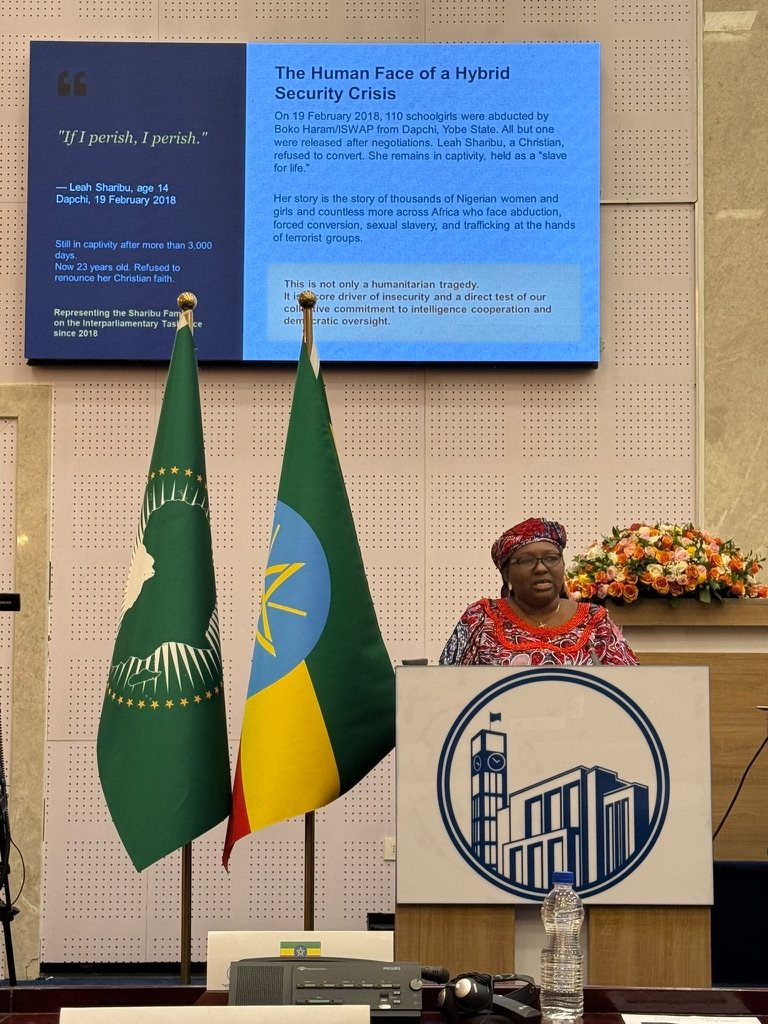
Former Senator Linda Reynolds of Australia, Chair of the Orphanage Trafficking Working Group, followed with a compelling look at orphanage trafficking, an often-overlooked form of exploitation where vulnerable children are used to attract international donations and volunteers.
Three years ago, in London, former Senator Reynolds told the Forum that trafficking and security are inseparable. In Addis Ababa, she went further: she traced the trail that proves it, and showed where it ends — at a child.
As she laid out, our money reaches these children twice: through what we donate, and what we buy. Donations flow to institutions that recruit children for profit. A recruiter is paid by the head. An operator keeps children hungry, because hungry children raise more money. A predator finds an unregulated institution the cheapest way to be left alone with children — little more, in her words, than organised crime with a donation page.
Purchases flow to supply chains where forced labour, including children’s labour, makes phones, solar panels, and electric cars cheap. Protecting these children, she argued, is not only a moral duty but a security imperative.
Africa Is Leading the Solutions
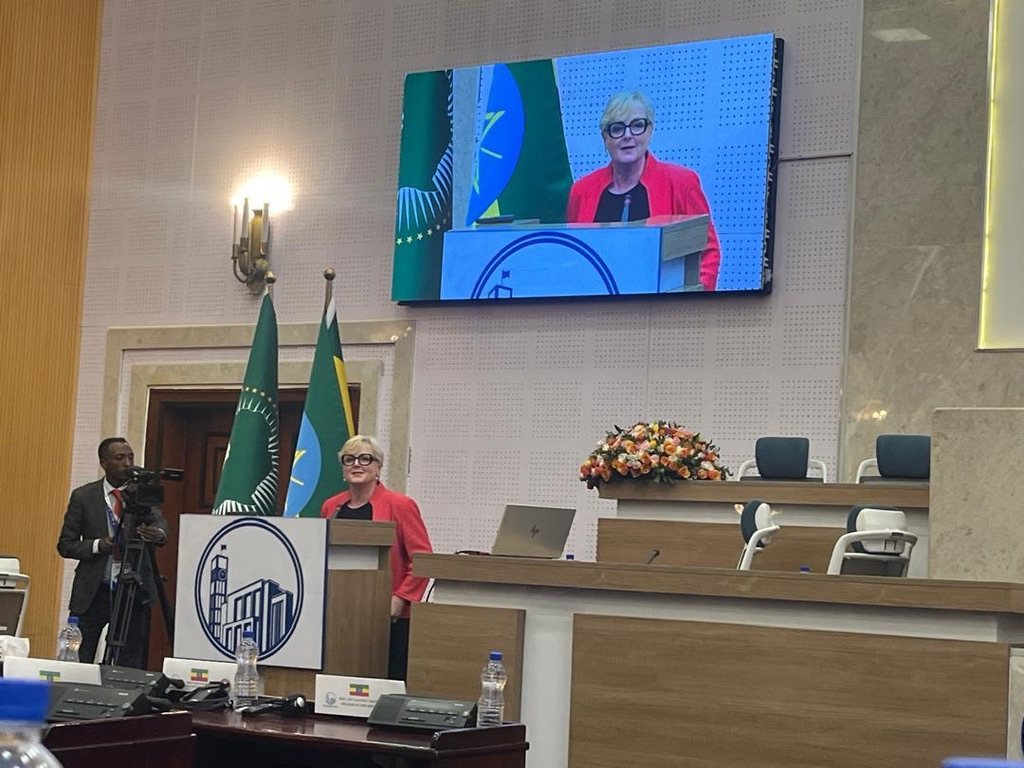
Former Senator Reynolds was clear that Africa is not the problem — the demand comes from abroad, and African institutions are leading the world in solutions. She pointed to Ethiopia’s parliament, which ended intercountry adoption after uncovering fraud and abuse, and to Kenya’s work returning children from institutions to their families, an effort long advocated by her colleague Stephen Ucembe.
Three Asks for Parliamentarians
Former Senator Reynolds asked three things of the parliamentarians in the room, several of whom sit on our own taskforce:
- Legislate — using the IPU’s Luanda and Geneva resolutions as templates, as the United Kingdom did this year in creating a standalone offence of using a child to commit crime.
- Follow the money — applying the counter-terror finance methods this Forum has pioneered to the trade in children.
- Educate citizens — because donors, volunteers, tourists, and consumers never set out to hurt a child, which is exactly what traffickers count on.
What She Asked of Us
Former Senator Reynolds also brought three specific requests back to the taskforce:
- Take Keeping Children Safe into the Legislative Library and out to our own networks.
- Come to the next quarterly meeting able to report what our own parliaments have enacted against orphanage trafficking.
- Bring the trade in children into our supply chain work.
One line from her remarks resonated deeply across the room: every child is someone’s child.
Grateful to Stand Together
We are grateful to stand with such committed leaders working to end trafficking at its roots — through policy, awareness, and accountability. The stories shared in Addis Ababa, from Leah Sharibu’s continued captivity to the financial trail behind orphanage trafficking, are a reminder that this fight requires action on every front: legislative, financial, and personal.